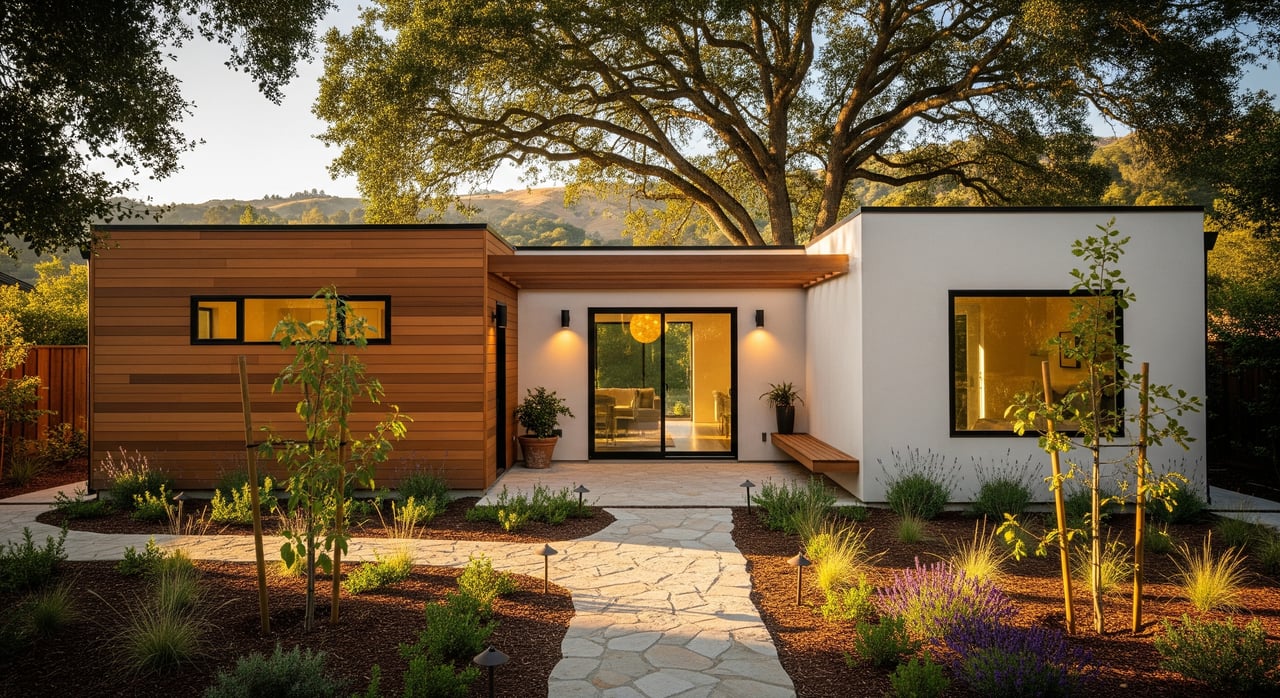
Thinking about adding an accessory dwelling unit to your Almaden home but unsure where to start? You are not alone. ADUs can unlock flexible living space and potential rental income, yet the rules and steps can feel complex. In this guide, you will learn the essentials of ADU laws in California, what to confirm with the City of San José, and practical tips for Almaden’s larger lots and hillside areas. Let’s dive in.
ADU basics in California
California law gives you broad rights to build ADUs while allowing cities to set objective, local standards. As a baseline, a Junior ADU is typically up to 500 square feet within the main home. Detached ADUs are commonly recognized up to about 1,200 square feet in many jurisdictions. Side and rear setbacks are often reduced, with some cities allowing about 4 feet for new detached units.
Parking rules are also eased under state law. You may not need new off-street parking if you are within roughly half a mile of transit or if you convert an existing garage. Recent state changes also removed owner-occupancy requirements for most new ADUs. Use these as guideposts, then confirm exact San José standards before you design.
What San José typically requires
San José follows state law and applies a ministerial review when your ADU meets objective standards. You can expect a clear checklist approach. You will submit plans, go through plan check, and then schedule inspections. Simple, compliant projects often move faster than proposals that seek exceptions.
- Size and unit count: Confirm City caps for detached and attached ADUs and whether a JADU can be combined with a full ADU on a single-family lot. Larger Almaden parcels may accommodate a detached ADU, subject to floor area and lot coverage limits.
- Setbacks and height: Check side and rear setbacks for your zoning. Many cities allow setbacks near 4 feet for new detached ADUs, but local rules control. Height and number of stories will be defined by the San José code, and hillside areas can trigger additional limits.
- Lot coverage and FAR: Learn how San José counts ADU square footage toward lot coverage or floor area ratio. This can affect placement and size options.
- Parking: The City generally implements state exemptions. If no exemption applies, you may be asked for one off-street space. Converting an existing garage often avoids new parking requirements.
- Utilities and fees: Ask whether separate water, sewer, or electric meters are required and what connection or capacity fees apply. Some places reduce impact fees for ADUs that are 750 square feet or smaller.
- Owner occupancy: State law removed most owner-occupancy requirements for new ADUs. Confirm the City’s current stance and any legacy rules.
Almaden-specific factors
Almaden’s lots are often larger than central San José, which can make detached backyard cottages especially workable. Many homes have deep rear yards that fit a one- or two-story ADU, subject to height, setback, and lot coverage standards. This flexibility helps you right-size an ADU for multi-generation living or long-term rental.
Hillside and conservation overlays are also common in Almaden Valley. Steep slopes, ridgelines, creeks, and protected trees can limit where a detached unit can go. These parcels may require geotechnical review, drainage planning, and tree protection. Fire access and defensible-space measures can also come into play in higher fire risk areas.
Common ADU paths in Almaden
- Garage conversion: Often the most cost-effective start. You preserve your yard, may avoid new parking requirements, and can create a studio or one-bedroom.
- Detached backyard cottage: A stand-alone unit with privacy and flexibility. This is popular on flat, deeper lots. Two stories can fit more space on a smaller footprint if allowed by code.
- Attached addition: Add a small wing to the main house for an ADU that shares utilities more easily and blends with the existing structure.
- Junior ADU (JADU): Up to 500 square feet within the main home. This works well for live-in caregivers, grown children, or aging parents.
Parking and transit basics
State law narrows when cities can require off-street parking for ADUs. You may be exempt if you are within about half a mile of transit or if your ADU comes from converting existing parking areas. If none of the exemptions apply, the City may ask for one off-street space. Always map out your parking plan early and note any justification for an exemption when you submit.
Short-term rental and HOA rules
You can rent permitted ADUs long-term, subject to lease and local laws. Short-term rentals are regulated in San José and may require registration or compliance with occupancy rules. If you live in an HOA community or have recorded covenants, check those documents. Private rules can limit or condition ADUs and rentals even when the City allows them.
Permit process and timeline
San José uses a ministerial review for compliant ADUs. Here is the typical path:
- Pre-check: Verify zoning, lot dimensions, and overlays. Confirm setbacks, height, and parking standards.
- Plans: Prepare a scaled site plan, floor plans, elevations, and basic utility plans. If on a slope or near a creek, line up geotechnical and drainage information early.
- Application and plan check: Submit your package for building permits. Respond to comments quickly to keep things moving.
- Construction and inspections: Schedule inspections at key stages. Final approval closes the loop and allows occupancy.
Simple projects can be approved in weeks to a few months, depending on completeness. Complex hillside builds or proposals seeking exceptions take longer.
Cost, taxes, and financing
ADU costs vary widely by scope and site conditions. Garage conversions are generally lower cost. Detached units can range from about $100,000 to more than $400,000 depending on size, finish level, and site work. Fire upgrades, grading, retaining walls, or utility capacity fees can affect the budget.
Adding an ADU is typically considered new construction for tax purposes. That means your assessed value will likely increase. Consult the Santa Clara County Assessor to understand how improvements are assessed and how that affects your annual tax bill. If you plan to finance an ADU, ask lenders about renovation or construction loan options and align your loan timeline with the City’s permit process.
Checklist before you apply
Use this quick list to organize your ADU plan:
- Zoning and lot details: Confirm parcel zoning and dimensions.
- Site map: Show the house, proposed ADU, setbacks, easements, driveway, trees, and utility locations.
- Plans: Floor plans and elevations for the ADU or conversion.
- Parking: Provide a parking plan and note any exemption you qualify for.
- Utilities: Show water, sewer, and electrical. Clarify if separate meters are proposed.
- Hillside and environmental: Line up geotechnical, grading, stormwater, and tree protection if needed.
- HOA and CC&Rs: Review and, if required, get HOA approvals.
- Budget and schedule: Get estimates that include design, permits, utilities, and potential fire or access upgrades.
Real-world Almaden scenarios
- Example A: A flat 10,000 square foot lot converts a two-car garage into a 450 square foot studio. This often qualifies as a conversion with fewer site constraints and may avoid new parking requirements.
- Example B: A hillside parcel with a steep rear slope. A detached ADU could require major grading and retaining walls. An attached addition or garage conversion can be the practical solution.
- Example C: You plan to rent the ADU for short stays. Check San José’s short-term rental rules and any HOA restrictions. Long-term rental is usually more straightforward if the ADU is permitted and compliant.
Next steps
If you are early in your planning, start with a quick zoning and overlay review, then sketch a right-sized program for your lot. Build a simple budget that includes soft costs, permits, and utilities so there are no surprises. Finally, choose a design and build team experienced with San José’s ministerial ADU process, especially if your home is in a hillside area.
When you are ready to weigh resale impacts or tailor an ADU to your long-term housing goals, connect with a local expert. Reach out to Lindsay Hogan for neighborhood-level guidance, market insights, and a clear plan that fits your Almaden property.
FAQs
How big can an ADU be in San José?
- State law commonly recognizes detached ADUs up to about 1,200 square feet and JADUs up to 500 square feet, but you should confirm the City’s current size caps, lot coverage rules, and height standards for your zoning.
Do I need to live on-site if I build an ADU?
- Recent state changes removed most owner-occupancy requirements for new ADUs; verify San José’s current policy and any legacy rules tied to older permits.
Will I need to add off-street parking for an ADU?
- You may be exempt if you are within about half a mile of transit or if you convert an existing garage; if no exemption applies, the City may require one off-street space.
Can I rent an ADU as a short-term rental in Almaden?
- San José regulates short-term rentals and may require registration and compliance with occupancy rules; check City rules and any HOA or CC&R limits before you list.
How much does an ADU cost to build in Almaden?
- Costs vary by scope and site; garage conversions are typically lower, while detached units often run about $100,000 to more than $400,000 plus permits, utilities, and any hillside or fire upgrades.
Will my property taxes go up after I add an ADU?
- Yes, adding an ADU is usually considered new construction and increases assessed value; consult the Santa Clara County Assessor to understand how the improvement will be assessed.