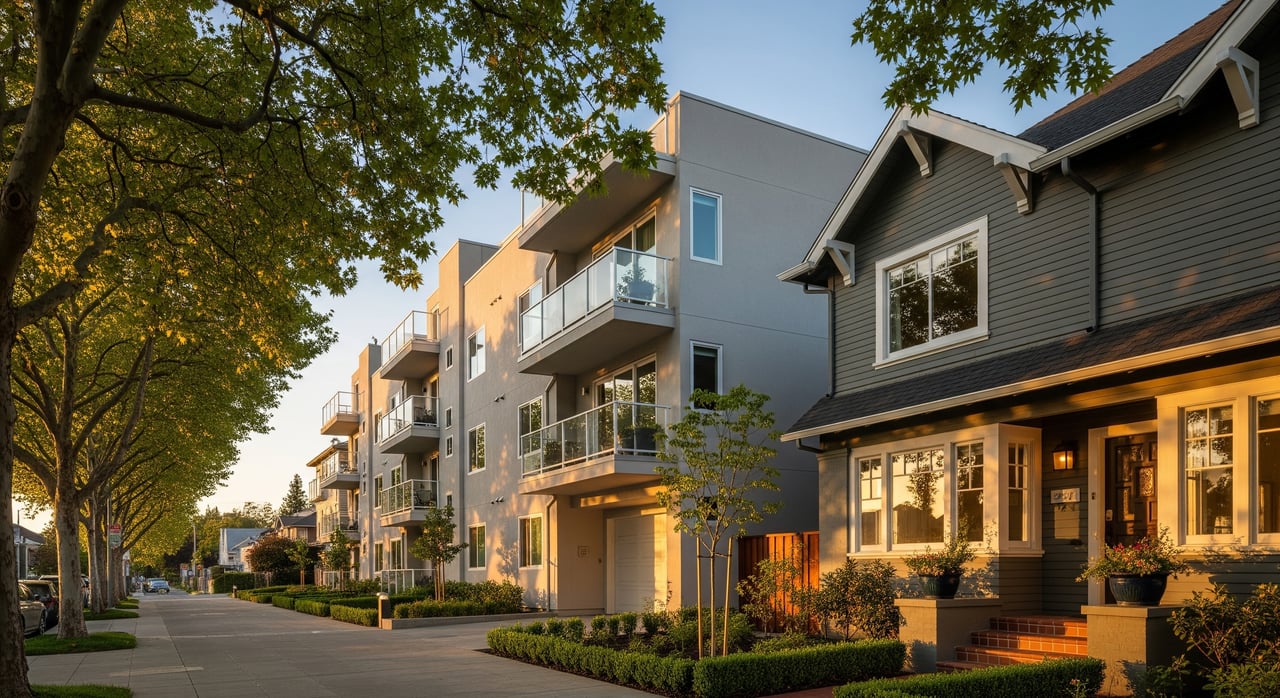
Condo or townhome in Willow Glen. Which one fits your life today and your plans tomorrow? If you are deciding in 95125, the difference is not just style. It is what you own, how the HOA works, and how that affects monthly costs, maintenance, and resale. This guide breaks it all down in simple steps so you can choose with confidence.
Let’s dive in.
What you actually own
Condos in 95125
A condominium gives you title to the interior of your unit and an undivided interest in the shared areas. The HOA maintains the common elements, which may include the roof, exterior, landscaping, and amenities. You usually carry an HO-6 insurance policy, and the HOA carries a master policy. Always verify what the master policy covers and where your coverage should begin.
Townhomes in 95125
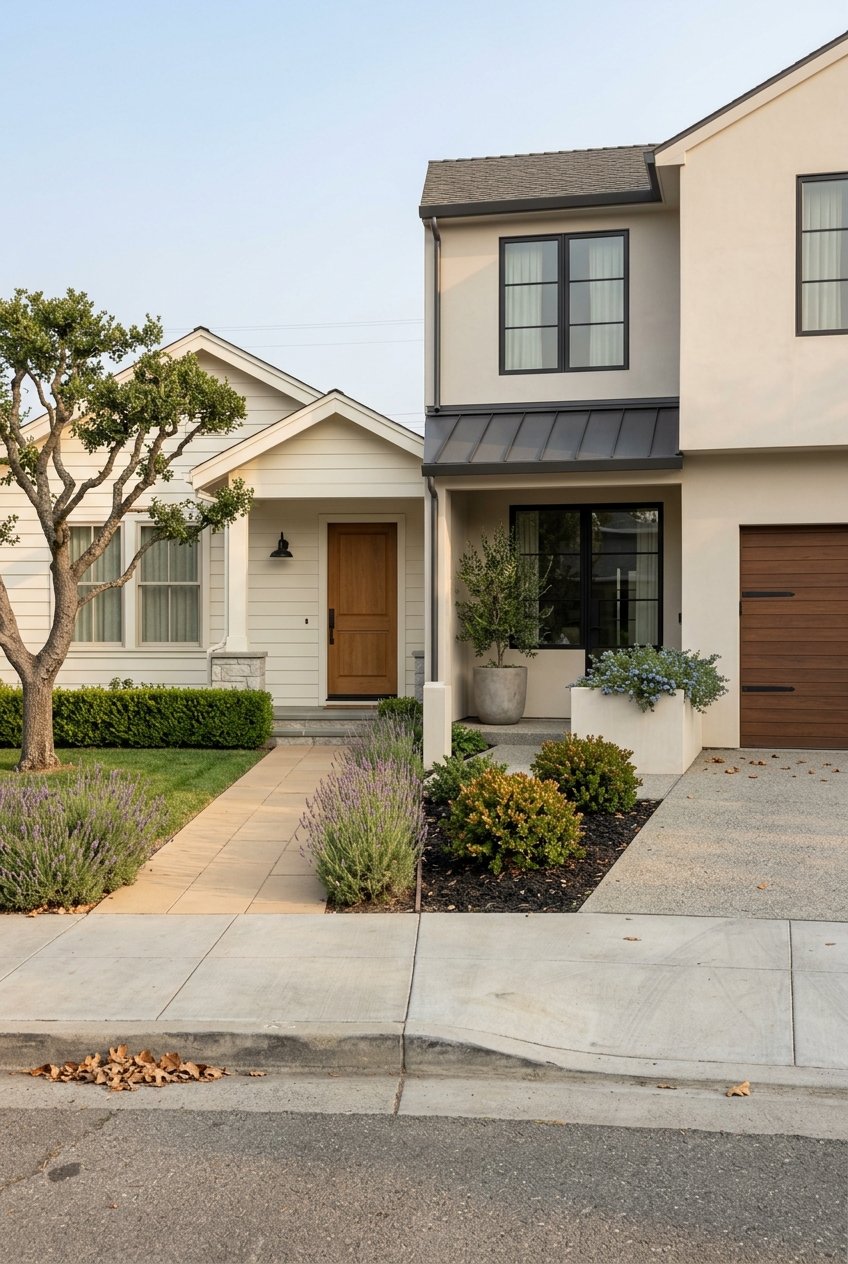
Townhomes often look like attached, multi-level homes with an entry at the street. Ownership can be fee simple or condo-titled. Fee-simple townhomes are more like single-family ownership, where you typically own the structure and land footprint and take on more exterior responsibilities. Some townhomes are condo-titled, which means you own the unit plus a share of common areas. Always confirm the title type on the listing and in the preliminary title report.
Why title and CC&Rs matter
Two similar-looking properties in Willow Glen can have very different ownership models. Your CC&Rs spell out what you own and what you must maintain. This is the foundation for your budget, your control over repairs and upgrades, and your lender’s project eligibility.
HOA costs and documents to review
How HOA fees work
HOA fees vary by project size, age, and what they cover. In some condo communities, fees may fund exterior maintenance, roofing, landscaping, water and trash, and amenities. In many townhome communities, fees can be lower but still cover common areas. The key is clarity. Ask for a line-by-line breakdown of what the fee covers and what it does not.
Documents to request before you tour
Under California’s Davis-Stirling Act, HOAs must maintain budget, reserve, and governance documents. Ask your agent to request:
- CC&Rs, bylaws, articles of incorporation, rules and regulations
- Current budget, financials, and the latest reserve study
- Meeting minutes for the past 12 to 24 months
- Insurance certificates for the HOA’s master policy
- An estoppel certificate to confirm dues and any assessment status
Risk flags and local checks in Santa Clara County
Reserve health matters. Underfunded reserves often lead to special assessments for big projects such as roofing, siding, or seismic work. Review whether any large capital projects are planned and how they will be funded. In 95125 and nearby areas, check disclosures and the preliminary title report for special taxes such as Mello-Roos or other assessments. Also ask about any known utility or sewer-related assessments that could affect costs.
Insurance basics in California
Most condo owners carry an HO-6 policy, and the HOA carries a master policy. Confirm if the master coverage is bare-walls or all-in, and what perils and deductibles apply. Earthquake insurance is usually separate, so ask what coverage the HOA has and what you may need to add for your unit. Some lenders and insurers screen projects for litigation, reserve adequacy, and claims history.
Maintenance and lifestyle tradeoffs
Maintenance and control
- Condos: Lower day-to-day exterior responsibility. The HOA typically handles the building exterior, roof, and common areas. This can be a good fit if you want minimal hands-on upkeep.
- Fee-simple townhomes: More responsibility for exterior and roof, but more control over your property and often lower HOA fees. This fits buyers who want a small yard or the ability to customize the exterior.
- Condo-titled townhomes: Fall between these two. Check the CC&Rs to confirm who handles what.
Privacy, noise, and layout
Condos often have more shared walls and sometimes shared corridors, so noise transfer can be a factor. Townhomes typically have private entries and fewer shared walls, which can feel closer to single-family living. Layout also differs. Condos may offer single-level options, while many townhomes have stairs. Consider what fits your daily rhythms and long-term comfort.
Outdoor space, parking, and storage
Townhomes often include a private patio or yard and an attached garage, which increases storage and parking convenience. Condos usually have assigned parking with shared guest spots and variable storage options. If you value a small garden, a grill space, or extra storage for bikes and gear, townhomes usually score higher.
Accessibility and aging in place
If avoiding stairs is important, a single-level condo or a ground-floor unit can be a smart choice. If you are considering a multi-level townhome, consider whether stairs work for you now and later. Elevators, parking proximity, and HOA rules about accessibility upgrades can affect long-term livability.
Location and walkability in Willow Glen
Willow Glen is known for its tree-lined streets and walkable downtown along Lincoln Avenue. Both condos and townhomes near downtown can offer easy access to shops and dining. Be sure to weigh street noise, parking rules, and proximity to transit and commuting routes that reach job centers around Santa Clara and San Jose.
Resale and marketability in 95125
Buyer pools and demand
Condos tend to attract first-time buyers and some investors because of lower entry price points and lower maintenance. That said, some buyers are sensitive to HOA fees. Townhomes often appeal to those who want a single-family feel with less maintenance, including many downsizers and buyers moving up from a condo. In Silicon Valley, demand often outpaces supply, but micro-location, storage, and parking can drive results.
Appreciation patterns
Condos can be more volatile and may appreciate slower than single-family homes or fee-simple townhomes. Townhomes that live like a single-family home, with a private yard and garage, tend to track single-family appreciation more closely. In Willow Glen, proximity to downtown, recent renovations, and practical features like in-unit laundry and parking can outweigh broad averages.
Lender and investor rules that affect resale
Some lenders and mortgage programs require project approval for condos, which can limit the buyer pool if a project has issues such as litigation or weak reserves. Rental caps and other HOA rules can reduce investor demand. For owner-occupants, strong owner occupancy may be a plus. Clear, current HOA documentation improves marketability when you sell.
Selling features that broaden appeal
If you plan to resell in a few years, look for features that invite more buyers: private outdoor space, garage parking, in-unit laundry, storage, and clean HOA records. These elements reduce friction for lenders and buyers, and they can shorten time on market.
Your touring checklist
Before you tour: request these
- HOA packet: CC&Rs, bylaws, budget, reserve study, insurance summary, rules
- Preliminary title report to check legal description and special assessments
- Seller disclosures, including natural hazard disclosures
- Condo project profile, if applicable: project size, owner vs. renter mix, and litigation history
Questions to ask the listing agent, HOA, or seller
- Is the property fee-simple or condo-titled? Confirm via the legal description.
- What exactly does the HOA fee cover? Exterior, roof, parking, water, trash, and other services.
- How much is in reserves? When was the last reserve study? Any planned special assessments?
- Any current or recent litigation involving the HOA?
- Are there rental caps, guest parking rules, or pet restrictions?
- Who is responsible for maintenance items like roof, siding, decks, fences, and water intrusion?
- What is the master insurance coverage and deductible? What should your HO-6 cover?
- How are parking and storage assigned and managed?
What to look for on-site
- Noise levels between units and from nearby streets or commercial areas
- Condition of buildings and common areas: roofline, siding, paint, landscaping, and parking surfaces
- Inside the unit: signs of water intrusion, ventilation quality, window and door condition, HVAC and electrical capacity
- Storage, garage size, bike storage, and elevator presence and condition, if any
- Walkability to downtown Willow Glen, transit, grocery, and medical services
A simple decision framework
First-time buyers: top priorities
- Affordability: monthly cost equals mortgage, HOA, taxes, and insurance
- Financing: confirm your lender accepts the project, especially for condos
- Resale: choose features that appeal to other first-time buyers and commuters
Downsizers: top priorities
- Maintenance reduction: check what the HOA covers and what you must handle
- Accessibility: aim for single-level living or ground-floor access when you can
- Location and services: weigh proximity to retail, transit, and healthcare
- Noise and privacy: confirm the everyday feel at different times of day
Your 3-step action plan
- Confirm the title and get the full HOA packet. Verify fee-simple versus condo-titled, and review CC&Rs, budget, reserve study, insurance summary, minutes, and rules.
- Run a full affordability check. Include HOA fees, likely assessments for planned projects, insurance needs, and taxes.
- Tour smart. Compare a ground-floor condo, an HOA-managed townhome, and a fee-simple townhome using the checklist above to see what best fits your budget and lifestyle.
Next steps
Choosing between a condo and a townhome in Willow Glen is about clarity. When you know what you own, what you pay for, and how the HOA works, the choice becomes much easier. If you want help pulling documents, reading reserve studies, or setting up a side-by-side tour plan in 95125, reach out to Lindsay Hogan. You will get local guidance, a clear process, and support from first look to close.
FAQs
What is the main ownership difference between a condo and a townhome?
- In a condo, you typically own the interior of the unit plus a share of common areas, while townhomes can be fee simple or condo-titled, so always confirm title and CC&Rs.
How do HOA fees differ for condos versus townhomes in Willow Glen?
- Condo fees often cover more exterior and common area costs, while townhome fees can be lower but may leave more maintenance to the owner, depending on CC&Rs.
What HOA documents should I review before buying in 95125?
- Request CC&Rs, bylaws, rules, the current budget, financials, the latest reserve study, insurance certificates, meeting minutes, and an estoppel certificate.
How do reserves and special assessments affect my budget?
- Strong reserves reduce the risk of special assessments, while weak reserves and big planned projects can increase your total monthly cost.
Is earthquake insurance included for condos or townhomes?
- Earthquake coverage is usually separate; confirm what the HOA carries and what you should add to your HO-6 or homeowner policy.
Are townhomes easier to finance than condos?
- Fee-simple townhomes are often treated like single-family homes by lenders, while condos may face project-level approval requirements that can limit financing options.