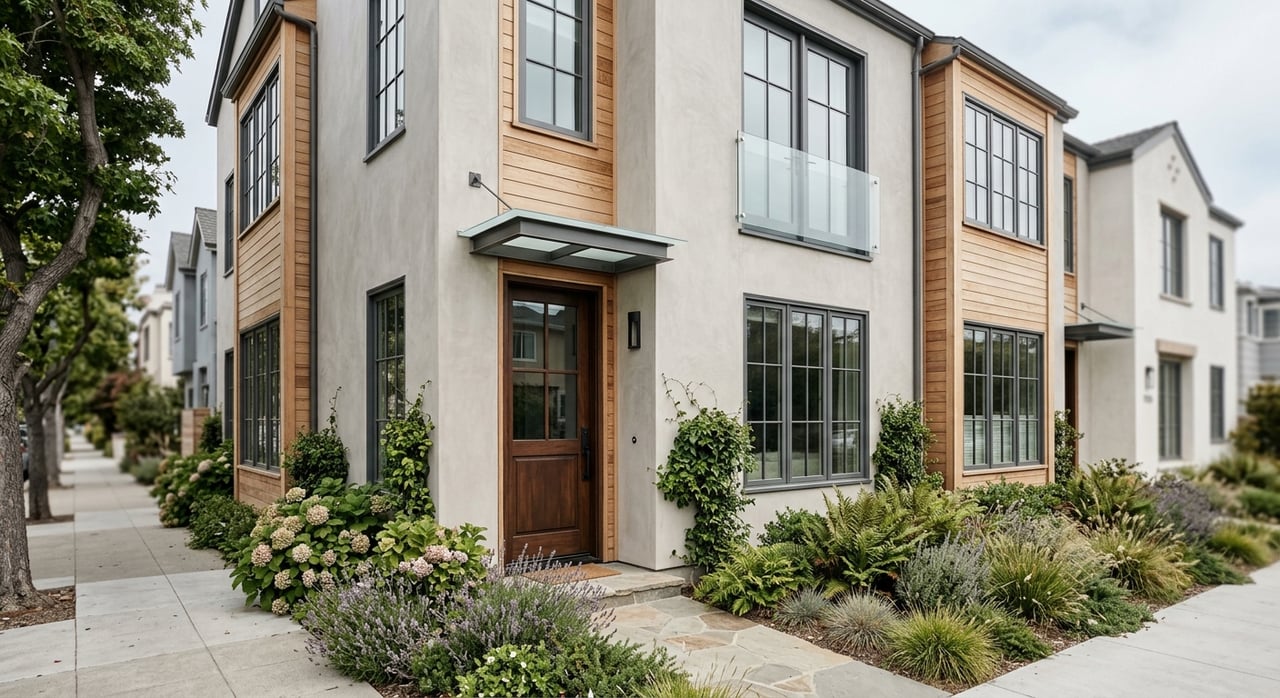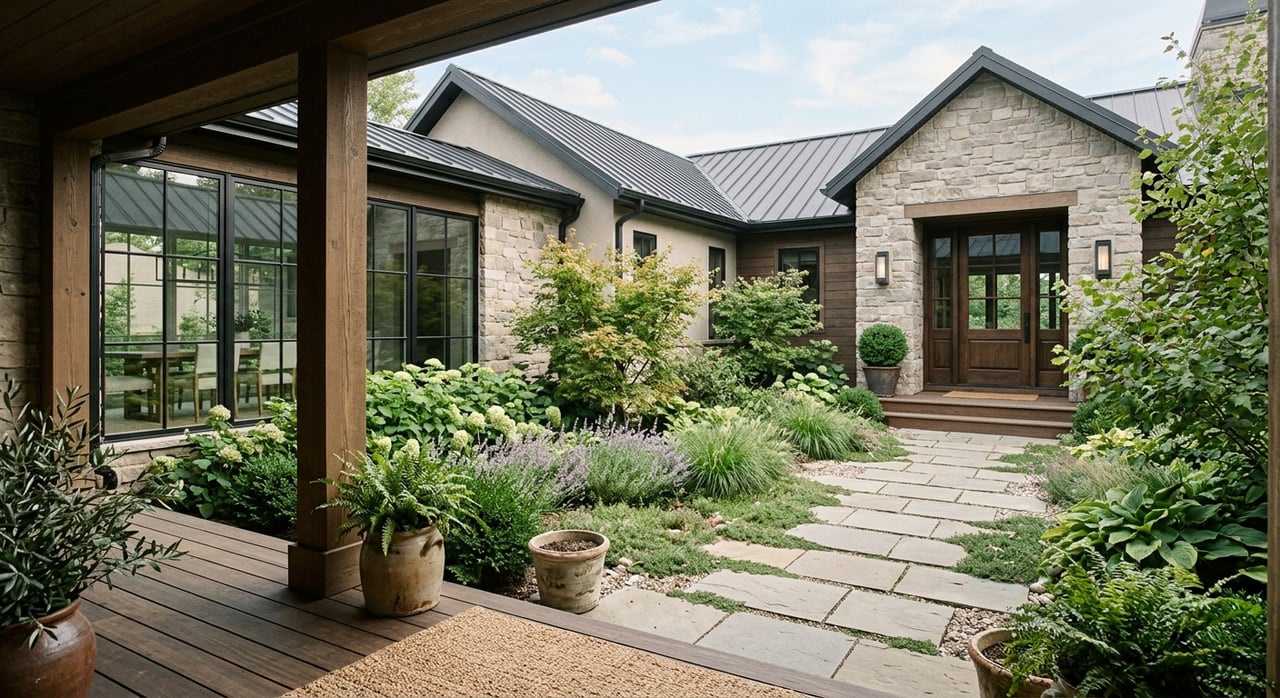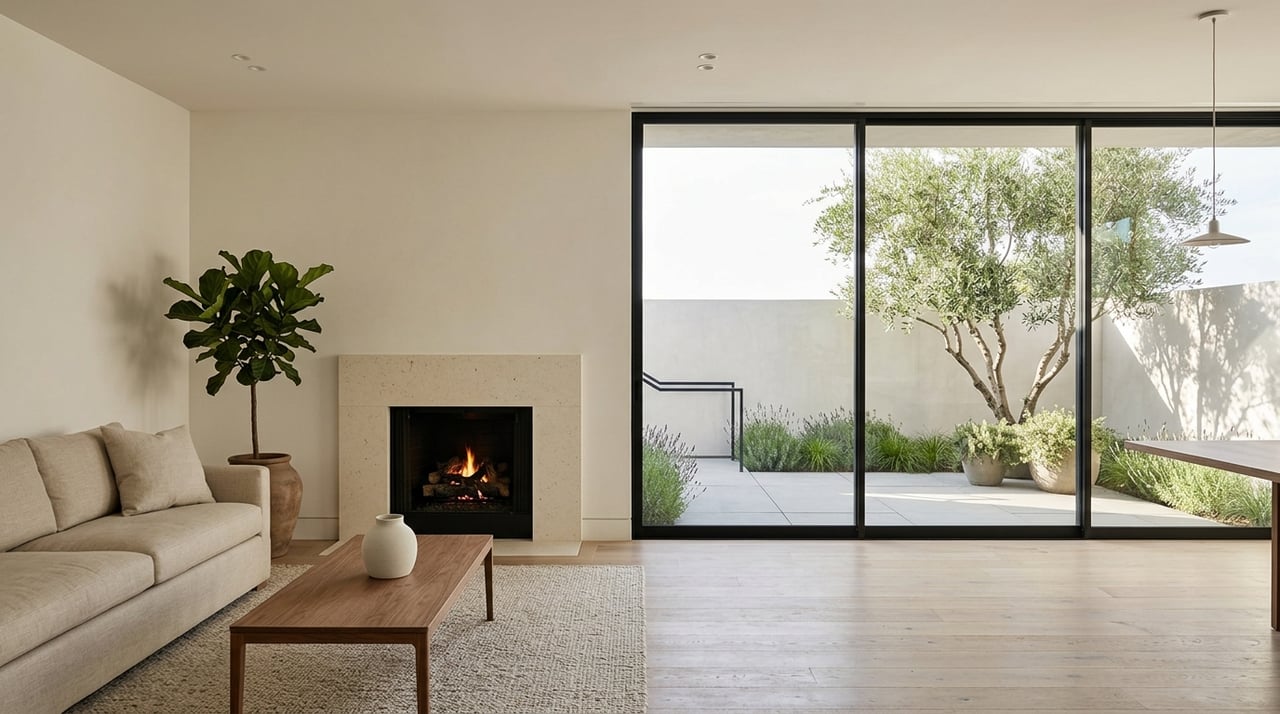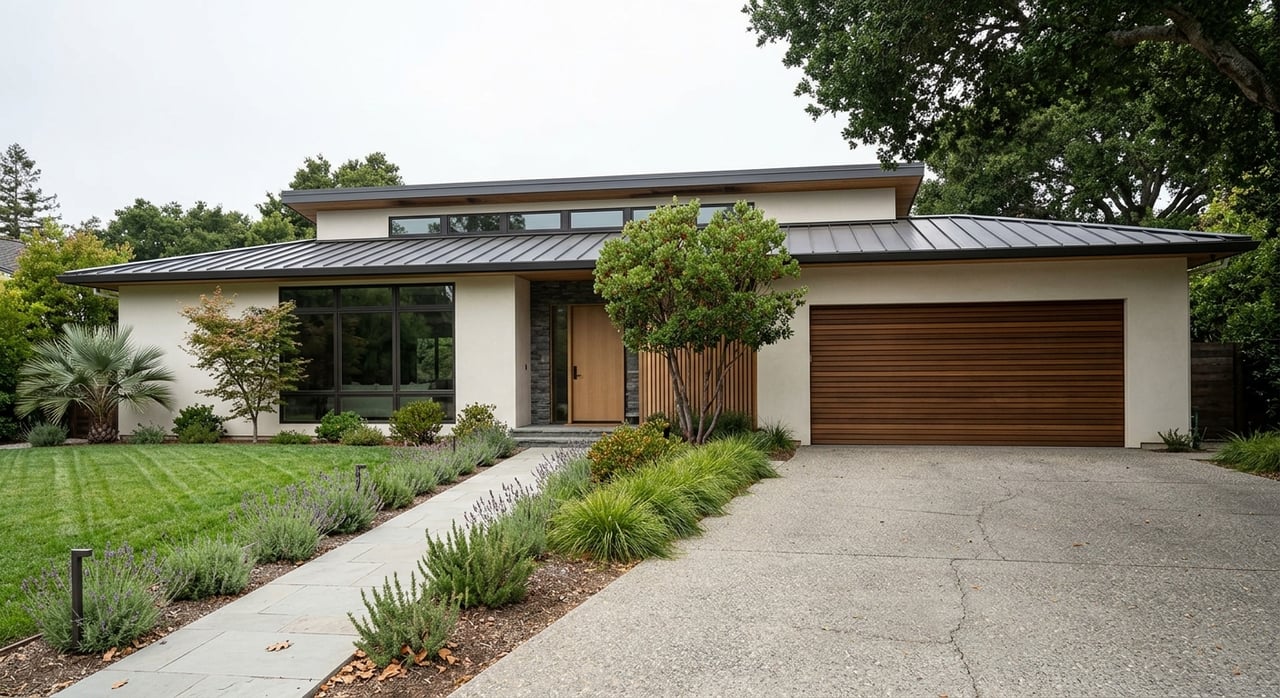
If you start touring homes in Saratoga, you will notice something quickly: the style of the home tells you a lot more than how it looks from the street. In this market, home style often signals lot size, age, remodeling quality, and even how complex future projects may be. If you want to buy with confidence, it helps to understand what each common Saratoga home style may mean for your budget, priorities, and long-term plans. Let’s dive in.
Why home style matters in Saratoga
Saratoga has a distinct housing pattern shaped by the city’s long-term goal of preserving its low-density residential character, larger parcels, scenic hillsides, and open space. The city is still predominantly a single-family detached community, and that context matters when you compare one property to another.
In 2020, 83.8% of Saratoga’s housing units were single-family detached. Only 7.0% were single-family attached, while multifamily housing made up a much smaller share of the market. That helps explain why detached homes, land, privacy, and setting tend to carry such a strong premium here.
This is also a market where existing homes dominate. The largest share of Saratoga’s housing stock was built between 1960 and 1979, and only 1.8% of the current stock was built since 2010. For you as a buyer, that means style is often tied to renovation history, original construction details, and the condition of past updates.
Recent pricing reinforces that point. Redfin reported a March 2026 median sale price of $4.1 million in Saratoga, with a median price per square foot of $1.6K and homes selling in about 11 days. In a market like this, buyers are often paying for the parcel and setting just as much as the house itself.
Ranch homes in Saratoga
Ranch homes are one of the most recognizable styles you are likely to see in Saratoga. The city’s heritage inventory describes many of these homes from the late 1940s and 1950s as mostly single-story houses with hipped roofs, horizontal window bands, attached carports or garages, and rooms that open toward the landscape.
For many buyers, the appeal is straightforward. A single-story layout can offer easier day-to-day circulation, flexible use of space, and a strong connection to the yard. In Saratoga, these homes may appear as custom properties or as part of older subdivisions, often mixed among earlier parcels.
What matters most is not just the label “ranch.” It is how the lot works with the house, how the home sits on the parcel, and whether later additions were handled thoughtfully. In a city that values larger lots and lower-density living, two ranch homes with similar square footage can feel very different based on orientation, privacy, and outdoor usability.
What buyers should watch for in ranch homes
If you are considering a ranch home, pay close attention to a few practical details:
- Whether the home is mostly original or significantly updated
- How well any additions blend with the original structure
- The relationship between the home and the backyard or side yards
- Garage or carport functionality
- Parcel privacy and usable outdoor space
Because so much of Saratoga’s value comes from land and setting, a well-sited ranch on a strong lot may compete very differently than a similar house on a less private parcel.
Mid-century homes and remodeled properties
Saratoga also has mid-century homes influenced by Mid-century Modernism and Bay Regional Style. The city’s heritage inventory describes these homes as having wide wall planes, flat roofs, minimal trim, large windows, simple doors, and rectilinear shapes. Some were custom-built, while others were developed in tract form, including homes built into the foothills.
These properties can be especially appealing if you like clean lines, natural light, and architecture that feels connected to the landscape. But in Saratoga, the difference between a strong remodel and a cosmetic update can be significant.
The heritage inventory notes that many residential buildings have been altered over time through exterior envelope replacement and other updates. In some cases, materials and design changes removed original details and permanently changed the character of the home.
How to evaluate a mid-century remodel
If you tour a remodeled mid-century property, try to look past the new finishes for a moment. Ask whether the update respected the home’s original proportions, window patterns, and relationship to natural light.
A good remodel often keeps the spirit of the architecture intact while improving comfort and function. A weaker remodel may look fresh on the surface but lose the design features that made the house special in the first place.
It is also smart to pay attention to major components, not just aesthetics. Roof work, windows, and exterior-envelope updates can have a big impact on both performance and long-term maintenance.
Custom estates and hillside homes
If you are shopping in the upper end of Saratoga’s market, you will likely encounter custom estates and hillside homes. These properties align with the city’s emphasis on larger residential parcels, scenic hillsides, and open space, and they often offer a level of privacy and setting that is hard to replicate elsewhere.
These homes can be compelling for obvious reasons. You may get more separation from neighbors, more expansive grounds, and in some cases stronger view orientation. But the tradeoff is that the property itself may require more planning, upkeep, and due diligence.
The city notes that new houses, major additions, basements, and footprint changes over 50% go through design review. Site slope, protected trees, wildfire hazard zones, geotechnical constraints, and ridgeline location can all affect what can be built or changed.
For hillside residential areas, there are also larger setbacks, a 25% maximum lot coverage cap, and slope-based floor-area reductions. So if you are buying a property with dreams of expanding later, the site may matter as much as the current house.
What to ask about hillside properties
Hillside and large-parcel homes deserve extra questions during your home search. Ask about:
- Average slope and whether a survey is required
- Protected trees and landscape constraints
- Drainage and site conditions
- Wildfire hazard zone considerations
- Geotechnical or ridgeline limitations
- Whether future additions may trigger design review
The goal is not to avoid these homes. It is to understand the full picture before you fall in love with the view.
Attached homes and the price gap
Although Saratoga is known for detached homes, attached options do exist. Redfin currently shows a much thinner inventory of condos and townhouses compared with the detached market, including 13 condos for sale and 5 townhouses for sale.
That smaller attached segment can provide an alternative entry point into the Saratoga market. Redfin reported a median listing price of $902K for condos and $2.15M for townhouses, compared with the citywide March 2026 median sale price of $4.1M.
This is not a perfect apples-to-apples comparison, but it does show how sharply prices can rise when you move from attached housing into detached homes with more land. For buyers, that means style is not just an aesthetic choice. It is often a direct signal of the level of competition, privacy, and lot value tied to the property.
Why lot size can outweigh interior finishes
One of the most important things to understand in Saratoga is that not all square footage carries the same meaning. The city’s single-family zoning includes multiple lot-size categories, such as R-1-12,500, R-1-15,000, R-1-20,000, and R-1-40,000.
That means two homes with similar interiors can sit on very different parcels. One may offer more privacy, more separation, or different future flexibility based on lot size and site conditions. In this market, those differences can be worth a great deal.
This is one reason buyers should be careful not to judge value by interior finishes alone. New countertops and updated lighting are easy to notice, but parcel quality is often the bigger driver in Saratoga.
Smart questions to ask on tour
As you walk through homes in Saratoga, it helps to frame style as shorthand for the bigger issues that affect ownership. A style label may tell you something about age and layout, but the more important question is what that style means for maintenance, flexibility, and long-term value.
Here are a few smart questions to keep in mind:
- Is the home original, lightly updated, or heavily remodeled?
- If remodeled, were the changes thoughtful or mostly cosmetic?
- What is the true lot size and zoning category?
- If the property is on a hillside, what site constraints may apply?
- If you want to expand later, what kind of design review or planning limitations should you expect?
When you ask better questions, you can compare homes more clearly and avoid focusing only on surface appeal.
What this means for buyers
In Saratoga, home style is really a shortcut for understanding the full package. A ranch may offer single-story ease and a valuable lot. A mid-century home may offer architectural appeal, but only if the remodel was done with care. A custom hillside property may deliver privacy and setting, while also bringing more site complexity.
That is why buying here benefits from a local, property-specific approach. You are not just comparing bedrooms and bathrooms. You are comparing land, setting, design, condition, and future options inside one of Santa Clara County’s most distinctive housing markets.
If you want help evaluating Saratoga homes beyond the surface, working with a local expert can make the process much clearer. Lindsay Hogan brings hands-on Santa Clara County market knowledge, practical guidance, and responsive support to help you understand what each property really offers.
FAQs
What do ranch homes in Saratoga usually offer buyers?
- Ranch homes in Saratoga often offer single-story living, simple circulation, and a strong connection to outdoor space, but buyers should also weigh lot quality, privacy, and how well any later additions were done.
What should buyers ask about remodeled mid-century homes in Saratoga?
- Buyers should ask whether the remodel respected the home’s original proportions, windows, and light, and should also review major updates like roof, window, and exterior-envelope work.
What makes hillside homes in Saratoga different for buyers?
- Hillside homes may offer more privacy and scenic settings, but buyers should also evaluate slope, drainage, protected trees, wildfire hazard zones, geotechnical constraints, and future design review requirements.
How does home style affect pricing in Saratoga?
- In Saratoga, home style often reflects land value, parcel size, privacy, and inventory scarcity, which is why detached homes with more land usually command much higher prices than attached homes.
Why should Saratoga buyers look at zoning and lot size?
- Zoning and lot size can shape privacy, site usability, and future project potential, so two homes with similar interiors may have very different long-term value based on the parcel alone.